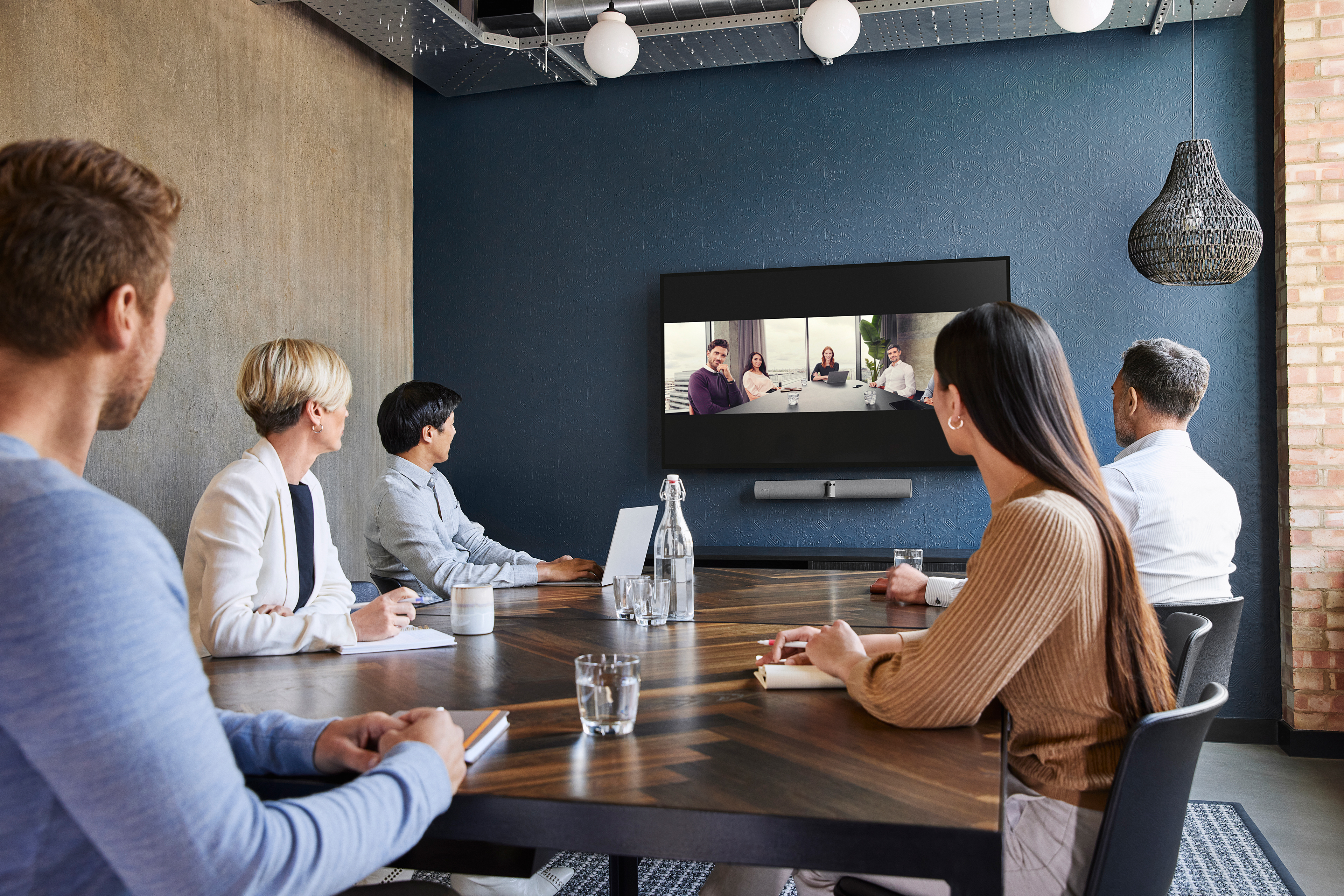
How to choose the best headset in 2026?
How to Choose the Right Professional Headset for Your Team in 2026
The technical criteria that truly matter

Choosing professional headsets for a team in 2026 is a strategic decision.
It’s not just about buying accessories; it’s about ensuring productivity, focus, and communication clarity in an environment where hybrid work, UC platforms and efficiency pressures have increased significantly.
A poorly chosen business headset costs time, creates noise during calls, increases team fatigue and undermines the company’s professional image toward customers. That’s why the evaluation must be technical, objective and fully aligned with real daily use.
Below are the criteria that truly matter when you’re searching for the best business headset in 2026.
1. Noise Cancellation: ANC, NC and Beamforming Microphones
- Noise remains the biggest enemy of any team—whether in an open office, retail space, home environment or warehouse.
- • ANC (Active Noise Cancellation): reduces the noise the user hears, creating a quieter work environment. Essential for focus in open spaces and long meetings.
- • NC (Noise Cancellation): removes unwanted background noise from the captured voice so the other party hears only the user.
- • Beamforming microphones: direct audio capture toward the speaker’s voice and minimise lateral interference.
- For companies working in customer service, sales or technical support, voice clarity is no longer a “nice to have”—it’s an operational requirement.
2. Connectivity: USB, Bluetooth, DECT or Hybrid Solutions
The type of connectivity defines the user experience and the efficiency of the workflow.
• USB-A/USB-C: reliable plug-and-play for fixed workstations.
• Multipoint Bluetooth: seamlessly switches between laptop and smartphone, essential for hybrid work.
• DECT: greater range and stability, ideal for reception desks, supervisors and teams that frequently move around the office.
In 2026, headsets with dual connectivity are the most popular—flexibility without sacrificing stability.
3. Certification for UC Platforms
With the continued consolidation of Unified Communications, a headset certified for Microsoft Teams, Zoom or Google Meet prevents IT-level issues and call disruptions.
Certification ensures:
• native integration of call controls (answer, mute, volume),
• full firmware compatibility,
• fewer technical incidents.
For teams that spend hours in meetings, this makes a clear difference.
4. Comfort and Ergonomics: Direct Impact on Performance
Teams that use headsets for 6 to 8 hours a day need real comfort—not marketing claims.
Key factors include:
• low weight (ideally under 150 g),
• memory-foam ear cushions,
• stable adjustments on headband and ear cups,
• mono or duo models depending on the role.
Ergonomics improve focus, reduce fatigue and enhance the overall user experience.
5. Durability and Robustness: ROI Proven in Practice
In retail, contact centres and logistics, durability is a decisive criterion.
Pay attention to:
• drop resistance,
• reinforced hinges,
• flexible microphone arms,
• reinforced cables (for wired models),
• warranty terms and replacement speed.
Cheap, fragile headsets may seem cost-effective, but they become more expensive in the short term due to frequent replacements.

6. Centralised Management: Software, Updates and Operational Security
Tools like Jabra Direct, Jabra Xpress, Poly Lens Manager and Yealink USB Connect enable organisations to:
• update firmware remotely,
• monitor hardware status,
• reduce time spent on technical support.
In larger organisations, this centralised control significantly increases IT efficiency and reduces downtime.
Lumidee’s Recommendations for 2026
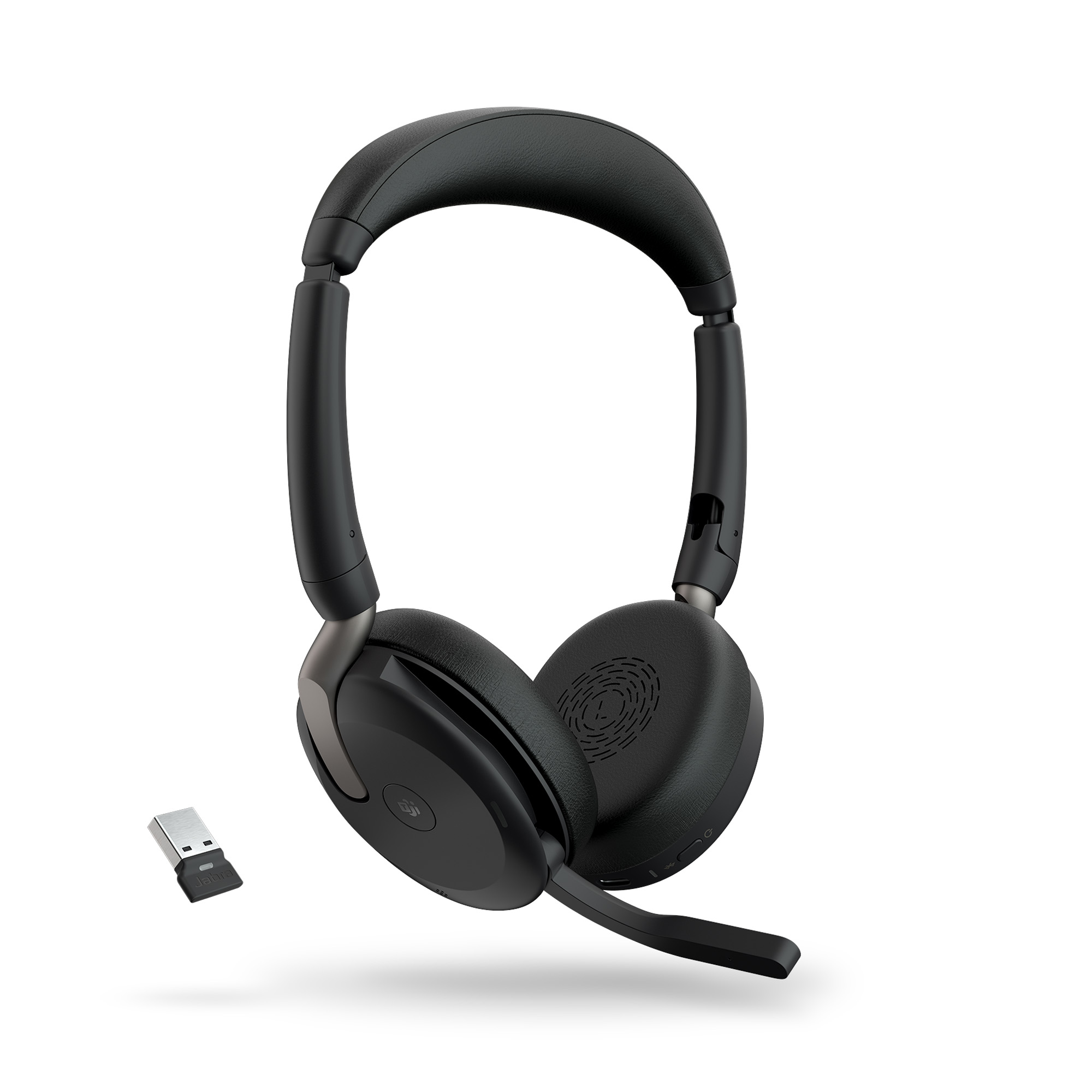
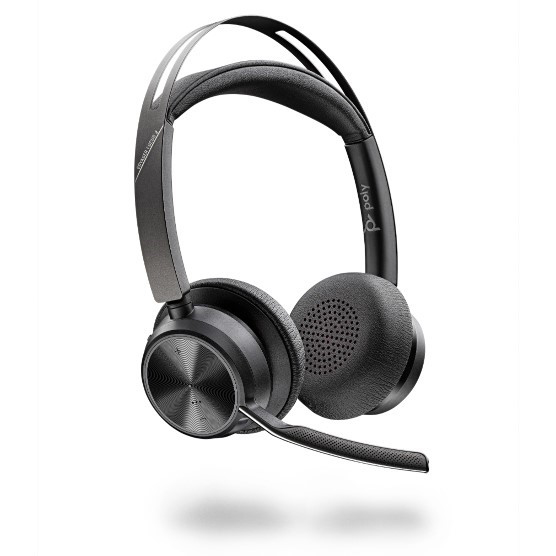
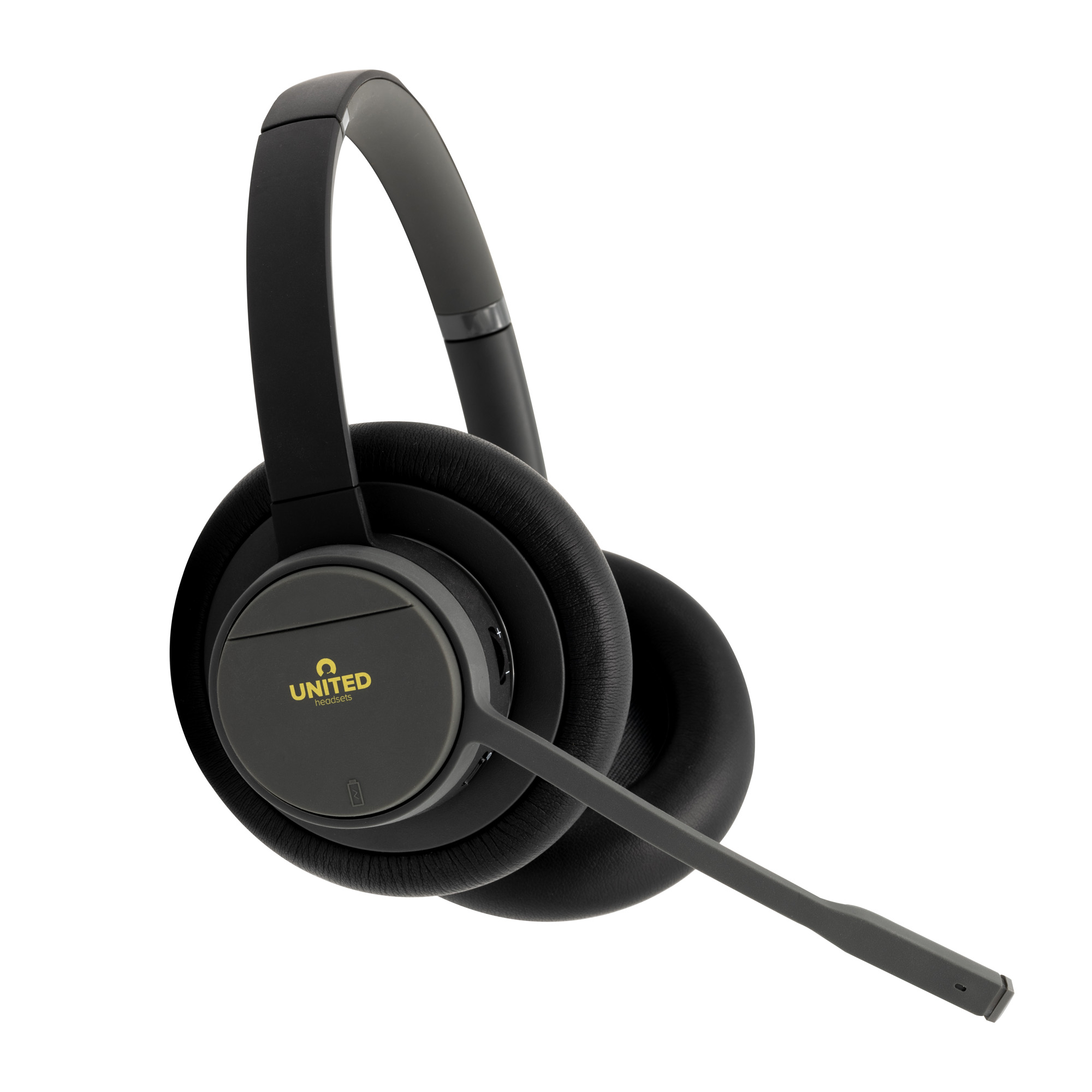
Based on internal tests, customer feedback and performance analysis, our team has selected these headsets as the most reliable and efficient choices for business environments in 2026:

Contact
Safe payment