Professional vs. Consumer Audio Equipment
Professional vs. Consumer Audio Equipment: Where Businesses Really Lose Money
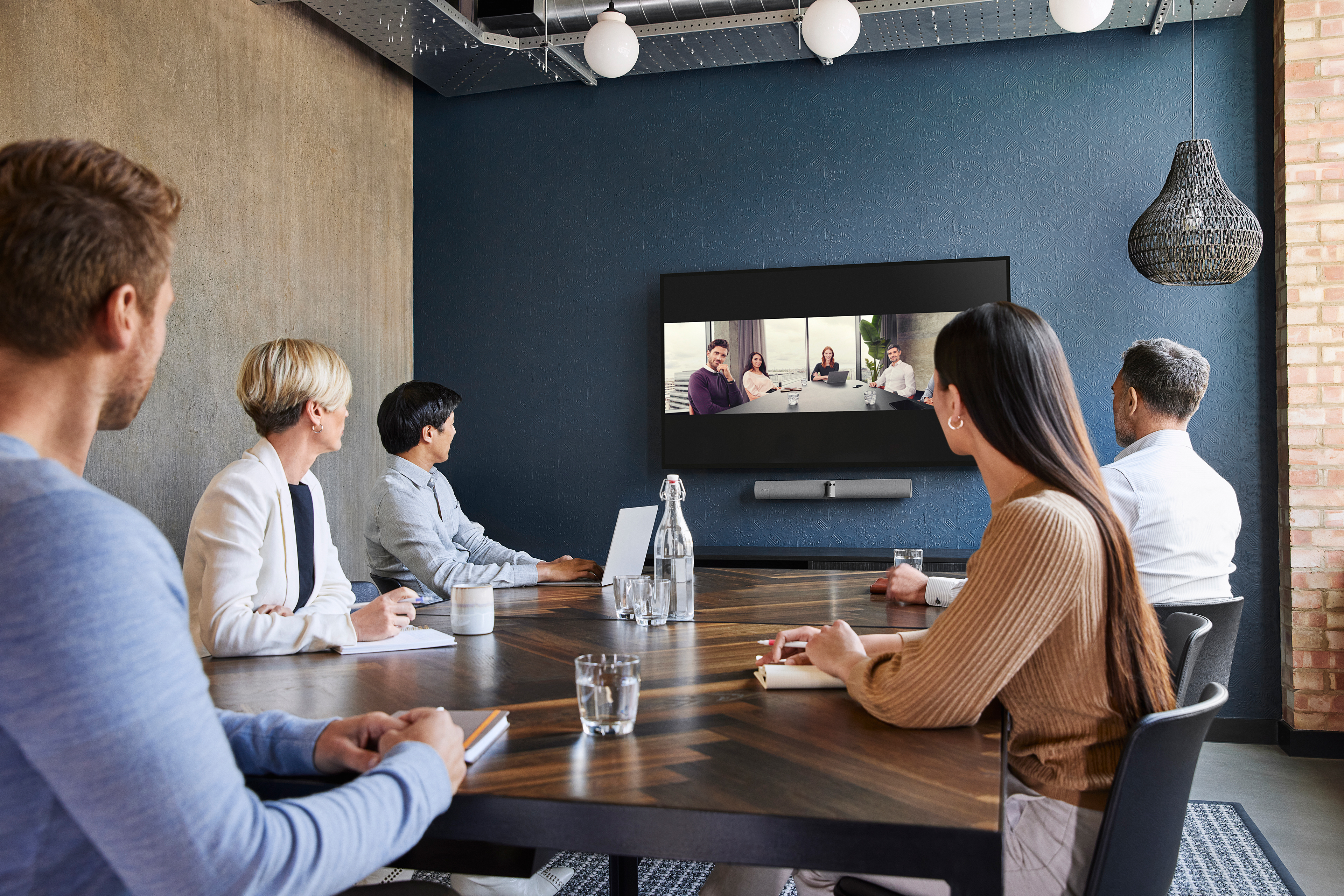
In the era of flexible work and hybrid collaboration, audio quality has transitioned from a "nice-to-have" to a business-critical asset. However, a common pitfall for many procurement managers and IT departments is the temptation to equip teams with high-end consumer audio gear instead of professional-grade solutions. On the surface, a premium consumer headset might seem identical to a professional one, but beneath the sleek design lies a financial trap.
When businesses choose consumer gear over professional equipment, they aren't just choosing a different brand; they are often opting for a higher long-term cost. Here is where the money is really being lost.
1. The Durability Gap and the Replacement Cycle
Consumer audio products are designed for occasional use—commuting, gym sessions, or leisure. They are built with materials that prioritize aesthetics and weight over mechanical longevity. In a professional B2B environment, a headset is a tool used for 8 hours a day, 5 days a week.
Professional equipment, such as the series found at Headsets.nl, is engineered for "heavy-duty" cycles. From reinforced boom arms to sweat-resistant materials and replaceable ear cushions, these devices are built to last years, not months. A business that buys consumer gear often finds itself in a "replace-and-repeat" cycle, spending three times the initial budget over a three-year period.
2. The Hidden Cost of "Good Enough" Noise Cancellation
There is a fundamental difference between Active Noise Cancellation (ANC) for the listener and Noise Cancellation for the caller. Consumer headsets excel at the former blocking out the sound of an airplane engine so you can hear your music. However, they often fail at the latter.
Professional-grade microphones use advanced digital signaling (DSP) to isolate the human voice from background office chatter or home distractions (like a barking dog or a vacuum cleaner). When a salesperson’s voice is muffled or drowned out by background noise, the cost is measured in lost deals and diminished brand perception. You don't just lose audio quality; you lose professional credibility.
3. Productivity Killers: Connectivity and Certification
Consumer devices rely heavily on standard Bluetooth, which is prone to interference in dense office environments or when multiple devices are active. Professional wireless headsets typically use DECT technology or specialized USB dongles that ensure a stable, encrypted connection.
Furthermore, professional gear is certified for platforms like Microsoft Teams, Zoom, or Cisco. This isn't just a sticker on the box. Certification ensures "plug-and-play" compatibility, remote call control (answering calls away from the desk) and synchronized mute functions. Without this, employees waste minutes every hour troubleshooting audio settings—a silent productivity leak that, when multiplied by a hundred employees, represents thousands of Euros in lost billable time annually.

4. Centralized Management vs. Individual Chaos
Perhaps the most overlooked drain on resources is IT support. Consumer headsets cannot be managed at scale. When a firmware update is required or a setting needs to be adjusted, it must be done device-by-device.
Professional solutions allow for centralized management. IT departments can push updates to thousands of units simultaneously, monitor battery health, and troubleshoot issues remotely. The labor cost of an IT professional manually fixing consumer audio issues is far higher than the price premium of a professional headset.
Conclusion: Investing in the Bottom Line
The choice between professional and consumer audio is not a matter of "luxury" versus "economy." It is a matter of operational efficiency. While the initial invoice for professional equipment might be higher, the Total Cost of Ownership is significantly lower.
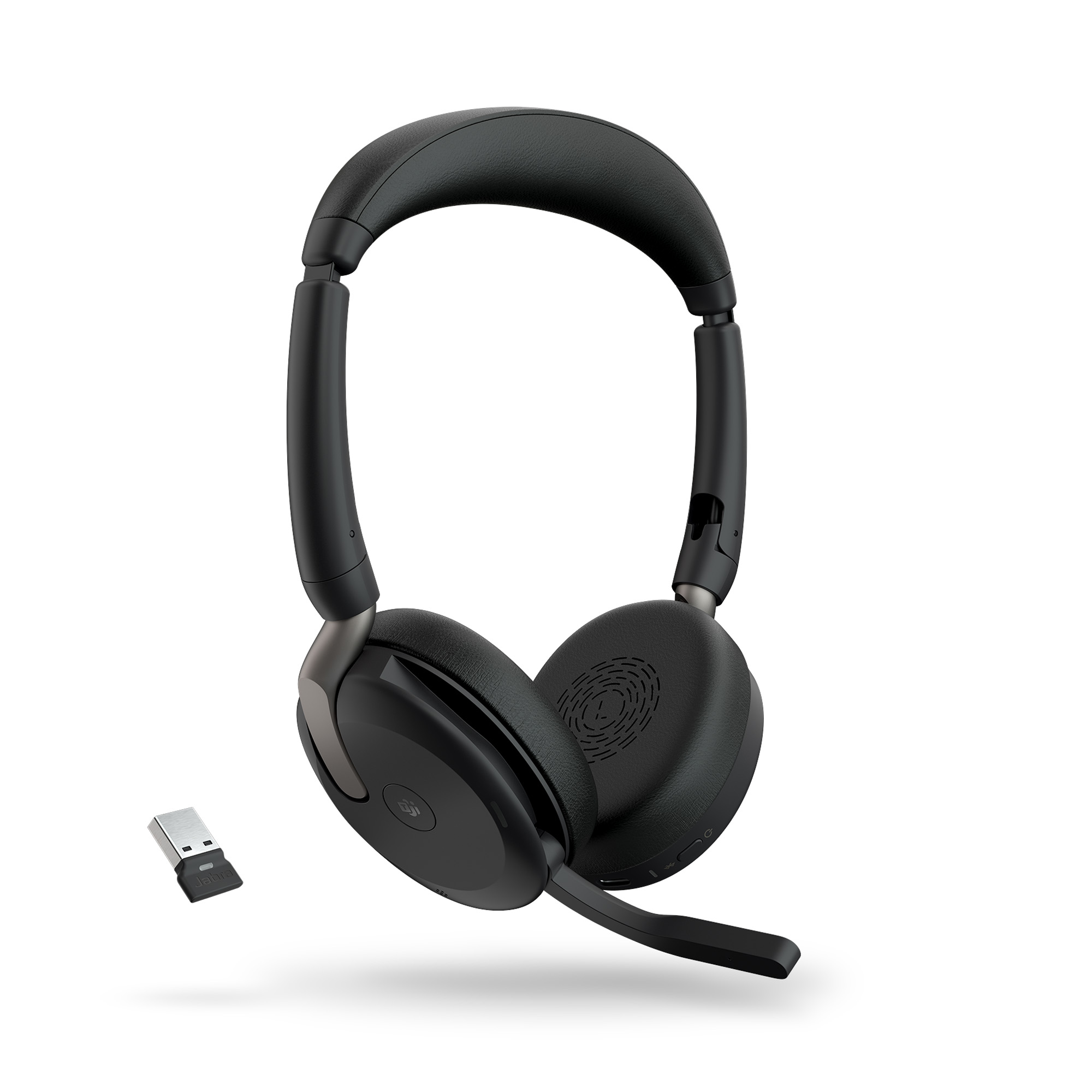
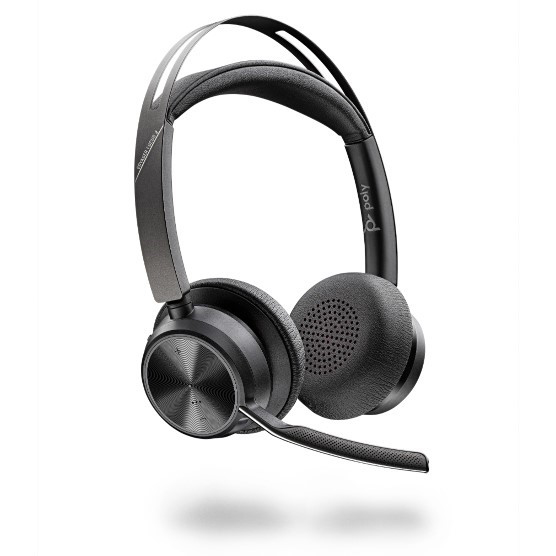

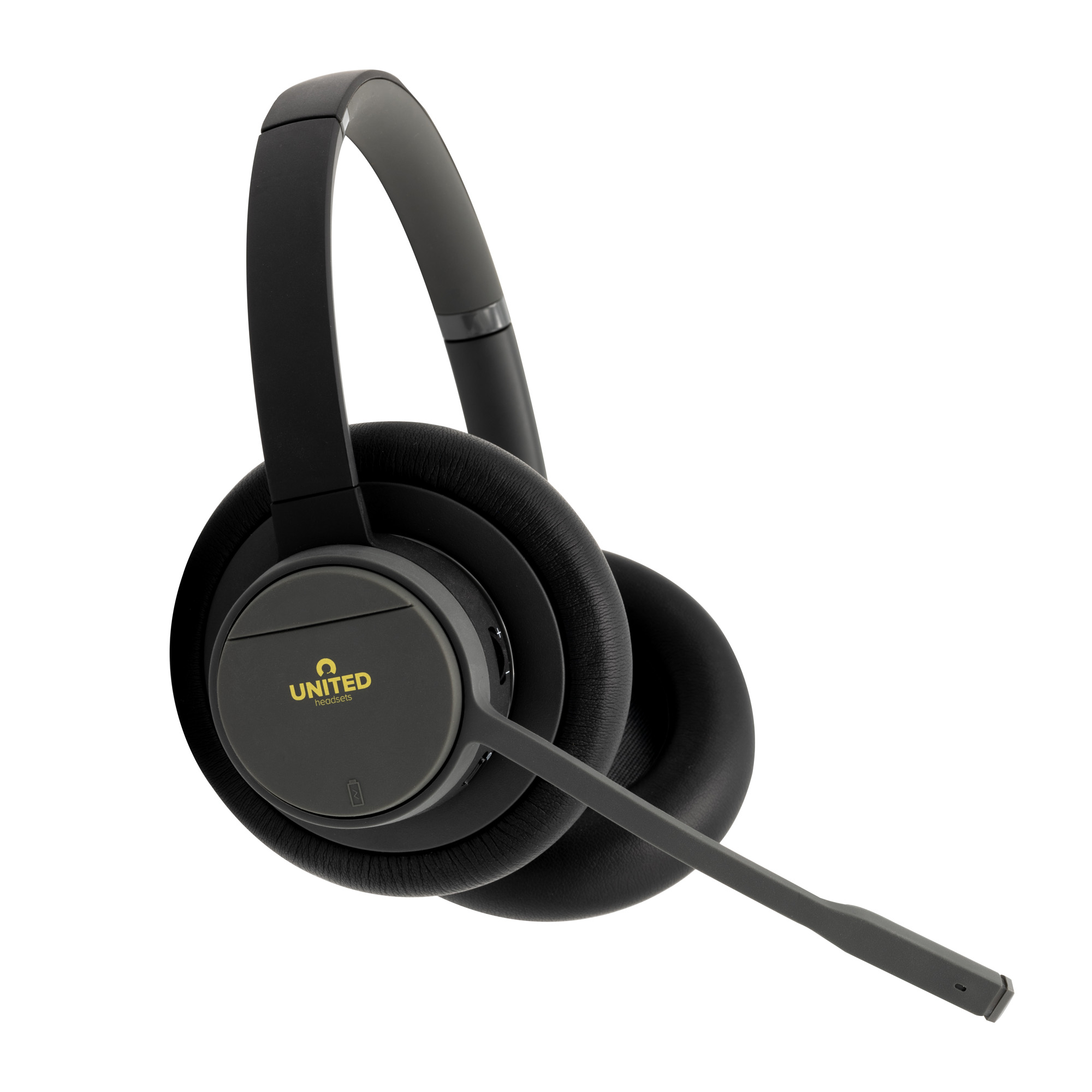
At Headsets.nl, we help businesses transition from seeing audio as a commodity to seeing it as a strategic investment. By choosing equipment designed for the rigors of the professional world, you protect your budget from the hidden costs of poor durability, lost productivity, and technical friction.
Visit our shop and order today!Contact
Safe payment